Why Rock Garden Xeriscaping is Your Yard’s Best Friend
Homeowners in the arid Southwest constantly struggle to keep traditional green lawns alive against scorching summer temperatures and poor soil conditions. This ongoing battle results in skyrocketing water bills and endless weekend chores that yield little reward. Transitioning to rock garden xeriscaping ideas offers a practical, beautiful solution to reclaim your yard and work with the local climate.
Here is a quick look at the best design layouts to transform your desert yard:
- Dry Riverbeds: Use mixed river rocks and cobbles to channel heavy monsoon runoff safely away from your home.
- Boulder Fountains: Install low-water, recirculating water features to create a cooling focal point for local wildlife.
- Crevice Gardens: Set flat stones vertically to create deep, cool root pockets for hardy succulents and cacti.
- Terraced Slopes: Build low dry-stacked stone walls to stabilize sloped soils, add structural depth, and prevent erosion.
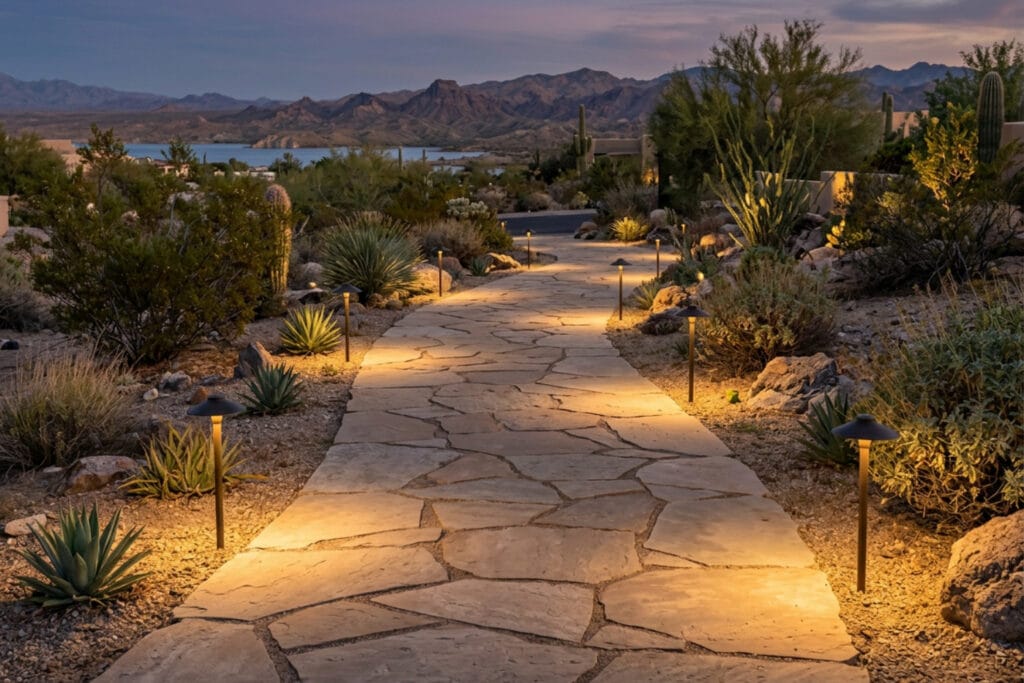
- DG Pathways: Lay down decomposed granite with flagstone borders for stable, highly permeable walkways.
By combining natural boulders, textured gravel, and striking native plants, you can build a stunning, low-maintenance oasis. You just need to know how to xeriscape a yard in a way that works with our unique local climate rather than fighting against it.
The infographic below outlines the foundational guidelines for planning a sustainable, high-performing desert landscape.
Quick rock garden xeriscaping ideas definitions:
What is Rock Garden Xeriscaping and Why Does It Work in Arid Climates?
Rock garden xeriscaping is a water-efficient landscaping method that relies on natural stone, gravel, and drought-hardy plants to create a self-sustaining outdoor space. Unlike traditional landscaping, which often fights local conditions by demanding heavy irrigation, chemical fertilizers, and constant mowing, a rock-based xeriscape embraces the local climate.
In the extreme heat of the Mojave Desert, traditional turfgrass is an environmental and financial drain. According to regional water authority data, a traditional lawn requires up to 60% more water than a xeriscape garden. In fact, traditional gardening and lawn care consume approximately one-third of all residential water supply in the United States. By transitioning to a thoughtfully designed rock xeriscape guide, homeowners can reduce outdoor water consumption by 50% to 70%, saving between 5,000 and 20,000 gallons of water every single year.
Beyond water conservation, the financial advantages of replacing turf with stone are clear. While the initial cost of desert landscaping varies depending on the scale of the project, site grading, and material selections, the long-term maintenance savings are substantial. Homeowners typically spend between $900 and $2,700 annually to water, fertilize, and mow a traditional grass lawn. In contrast, a well-engineered desert rock landscape costs only $150 to $450 per year to maintain.
| Landscape Metric | Traditional Turfgrass Lawn | Rock Garden Xeriscape |
|---|---|---|
| Annual Water Consumption | High (36–48 inches of supplemental water) | Low (8–12 inches of supplemental water) |
| Annual Maintenance Cost | $900 – $2,700 | $150 – $450 |
| Soil Compatibility | Requires extensive amendments & tilling | Works with native rocky caliche soil |
| Lifespan of Ground Cover | High risk of dying; requires constant reseeding | Permanent; stones do not decompose or fade |
| Weed & Pest Pressure | High; requires frequent chemical treatments | Low; suppressed by stone depth & fabric |
Creative Rock Garden Xeriscaping Ideas for Desert Landscapes
When designing a rock garden in the desert, the goal is to replicate the natural beauty of the local landscape while solving practical yard challenges. A great design relies on structural layers, color contrast, and functional hardscaping rather than a flat sheet of uniform gravel.
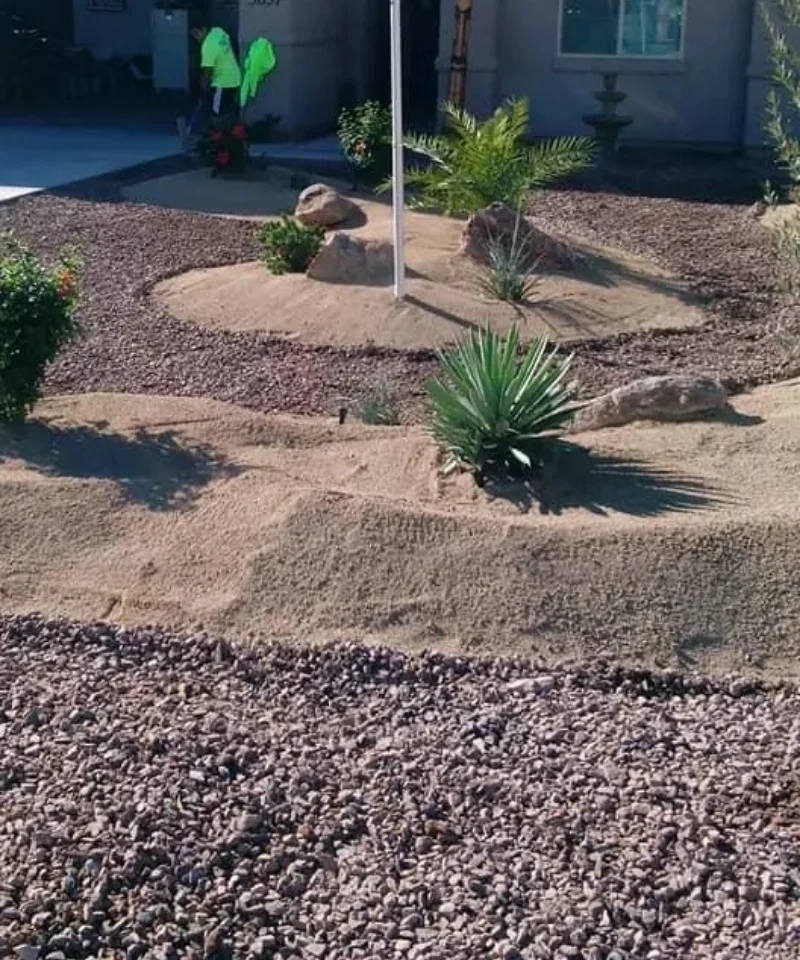
By pulling inspiration from the complete guide to desert landscaping ideas, homeowners can move past the outdated myth that water-wise yards are barren or boring. Instead, modern designs blend different stone textures, desert-hardy perennials, and strategic focal points. For those looking to create a highly functional, beautiful outdoor space, exploring professional water-wise rock gardens reveals how natural stone layouts can control erosion, manage drainage, and dramatically improve curb appeal.
1. Dry Riverbeds and Alluvial Runoff Channels
In Lake Havasu City, Golden Shores, and Parker, sudden summer monsoons can dump inches of rain in a matter of minutes. Without proper grading, this water pools against home foundations or washes away valuable topsoil. A dry riverbed is a highly functional design solution that mimics a natural desert wash.
To build an effective dry riverbed, a shallow channel is excavated and lined with durable, non-woven geotextile fabric. The bed is then filled with a mix of rounded river rocks and larger cobbles ranging from 1 to 4 inches in size. Placing large anchor boulders along the bends of the riverbed prevents the stones from shifting during heavy downpours. This design slows down running water, allowing it to sink naturally back into the local water table while protecting the surrounding landscape from erosion.
2. Low-Water Boulder Fountains and Basalt Columns
Many homeowners worry that transitioning to a xeriscape means giving up the soothing sound of running water. However, a recirculating boulder fountain is an exceptionally water-efficient way to add movement and sound to a desert yard.
Unlike traditional open pools or spraying fountains that lose immense amounts of water to evaporation in the dry desert air, a boulder fountain uses a hidden, underground basin. Water is pumped up through a hole drilled in a natural basalt column or hollowed-out granite boulder, trickling down the stone’s surface and immediately returning to the subterranean reservoir. This setup keeps evaporation to an absolute minimum while creating a cool microclimate that attracts local birds and beneficial pollinators.
3. Terraced Slopes and Retaining Walls
Sloped yards are common in our local desert terrain, and they present unique challenges for water retention and planting. If a slope is left bare, rainwater runs off before plant roots can absorb it, carving deep gullies in the soil.
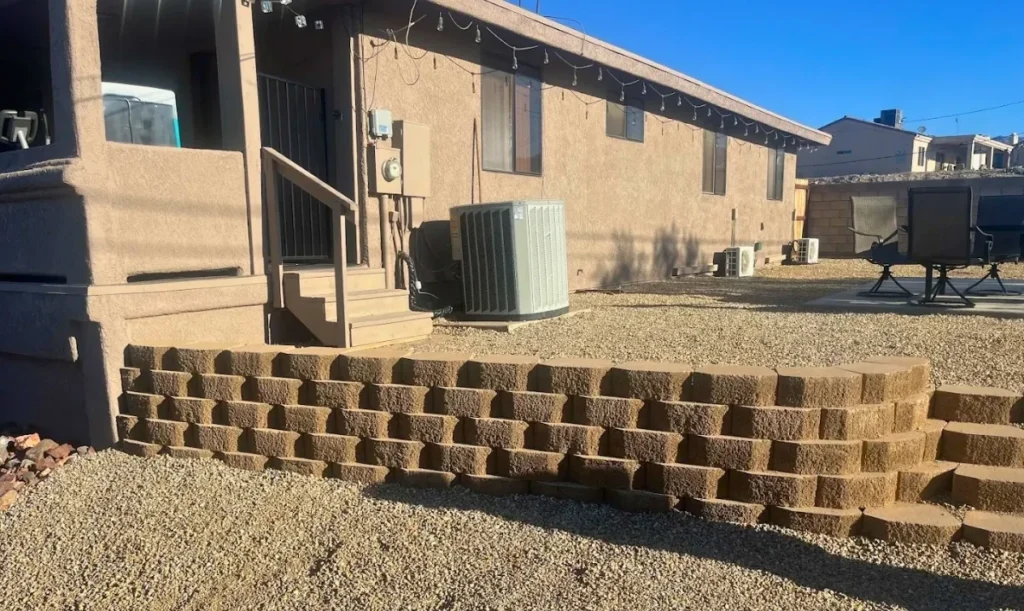
By constructing low, dry-stacked stone retaining walls or tiered rock terraces, homeowners can level out sloped areas into manageable planting beds. These tiers slow down water runoff and hold moisture where plants need it most. When designing rock garden landscaping lake havasu, integrating native stone retaining walls also adds incredible visual depth, breaking up flat front yards and creating distinct pockets for unique desert plantings.
Selecting the Right Materials: Decomposed Granite, Gravel, and Boulders
Choosing the right stone is just as important as selecting the right plants. Different rock types serve distinct structural and aesthetic purposes in a xeriscape.
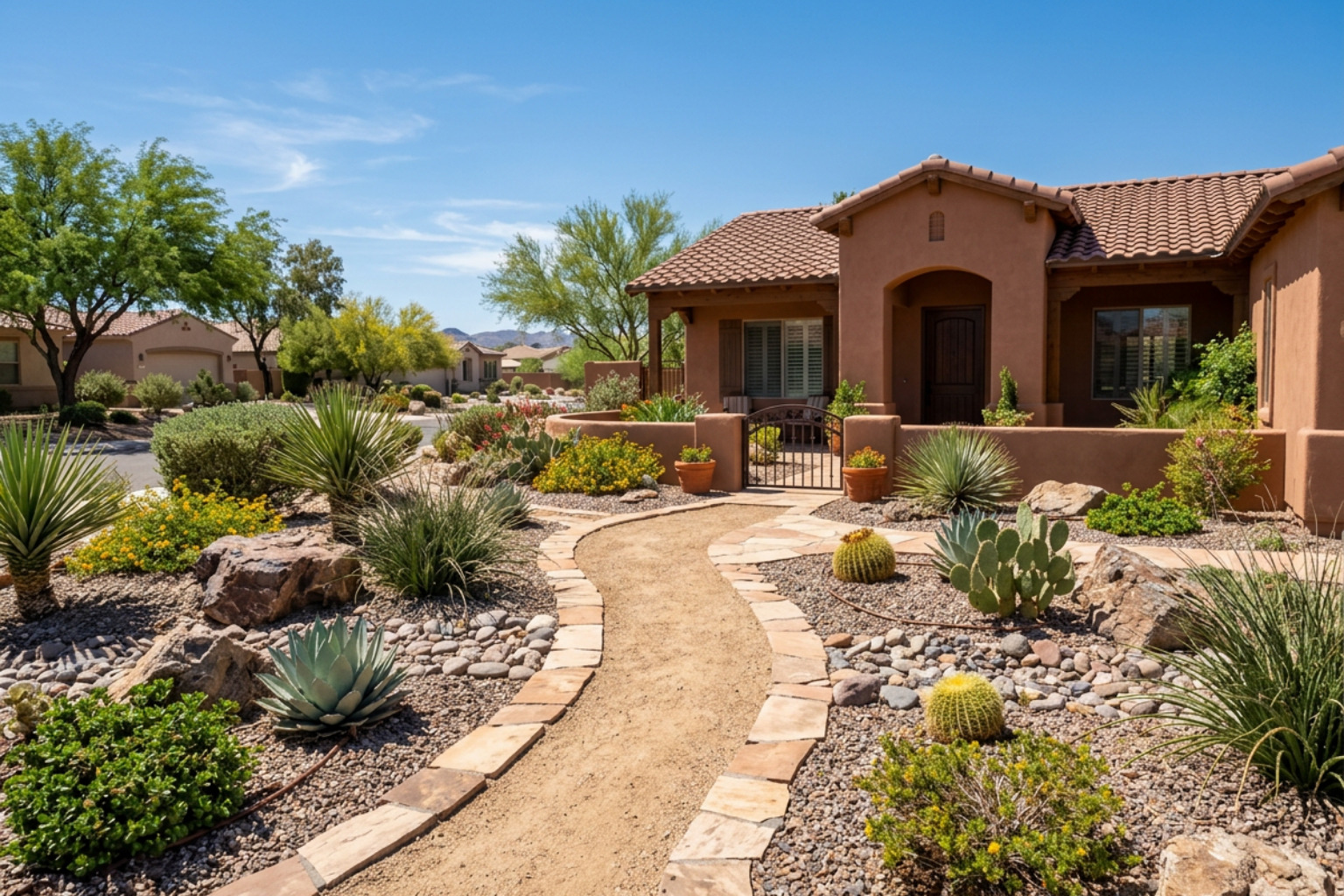
When selecting materials, it is critical to balance visual appeal with physical performance. Some stones retain intense heat, while others can shift underfoot or wash away during heavy rain. Consulting a comprehensive resource like xeriscaping with landscape rock helps ensure you choose the perfect stone size and weight for pathways, ground cover, and structural accents. Pairing these stone selections with the best low-maintenance desert plants ensures your yard remains both durable and beautiful year-round.
Decomposed Granite vs. Crushed Rock vs. Gravel
Understanding the differences between these three common ground covers is essential for a successful installation:
- Decomposed Granite (DG): DG consists of natural granite that has weathered down into tiny, sand-like particles mixed with small stone flakes. When compacted with a stabilizer, DG forms a firm, highly permeable, and natural-looking surface. It is the absolute best choice for high-traffic pathways, outdoor seating areas, and rustic patios.
- Crushed Rock: This material is mechanically fractured stone, featuring sharp, angular edges. Because the pieces are angular, they lock together when spread, making crushed rock highly stable and resistant to shifting. It is an excellent choice for general ground cover and weed suppression when applied at a depth of 2 to 3 inches.
- Gravel and Pebbles: Unlike crushed rock, gravel and river pebbles have smooth, rounded edges shaped by water. While beautiful, smooth stones larger than 2 inches should be avoided in high-traffic walking zones because they roll underfoot, creating a tripping hazard. However, they are perfect for dry riverbeds, drainage swales, and decorative accents around boulders.
Choosing Boulders and Accent Stones for Natural Rock Garden Xeriscaping Ideas
A common mistake in DIY rock gardens is scattering small, uniform rocks across the yard, which can look flat and unnatural. To achieve an authentic desert look, you should incorporate large accent boulders that mimic local geological formations.
When placing boulders, always group them in odd numbers (such as three or five) and vary their sizes. To make a boulder look like a permanent, natural part of the landscape, bury the bottom third of the stone beneath the soil grade. This anchors the rock physically and visually, making it look as though it was uncovered by natural erosion rather than dropped onto the dirt. For inspiration on how to arrange stones to replicate natural mountain fissures and talus slopes, analyzing professional designs like xeric garden designs highlights how strategic stone placement creates microclimates that protect plant roots from extreme surface heat.
Designing with Desert Flora: The Best Plants to Pair with Stone
The true magic of a rock garden comes from the contrast between hard, structural stone and soft, vibrant desert plants. Plants should never be positioned randomly; they must be positioned intentionally based on their sunlight, wind, and water needs.

In the low desert, plants face intense UV exposure and rapid evaporation. To ensure your landscape thrives, choose drought-proof garden plants that are naturally adapted to arid conditions. Implementing a smart desert garden design havasu involves grouping plants with similar water requirements into distinct zones—a practice known as grouping plants by water needs—to maximize irrigation efficiency and prevent overwatering.
Drought-Tolerant Plant Pairings for Rock Garden Xeriscaping Ideas
To create a balanced, visually stunning rock garden, combine plants with different growth habits, textures, and colors:
- Structural Accents: Use bold, architectural plants like the Golden Barrel Cactus (Echinocactus grusonii), Parry’s Agave (Agave parryi), or specialty Saguaro specimens to anchor your design. These plants look incredible when positioned next to large, dark boulders that highlight their unique shapes.
- Flowering Perennials: Add pops of seasonal color with resilient flowering species like Desert Marigold, Purple Threeawn, or red-flowering Autumn Sage. These plants soften the hard edges of stone and support local pollinators.
- Textured Grasses: Native desert grasses, such as Deer Grass or Alkali Sacaton, introduce movement and texture. As the desert breeze passes through, these grasses sway, breaking up the static feel of the rock ground cover.
By integrating these diverse plant layers, homeowners can succeed in maximizing your landscape with desert landscaping, ensuring the yard remains colorful, dynamic, and highly water-efficient through every season.
Professional Engineering and Installation of Rock Garden Xeriscaping
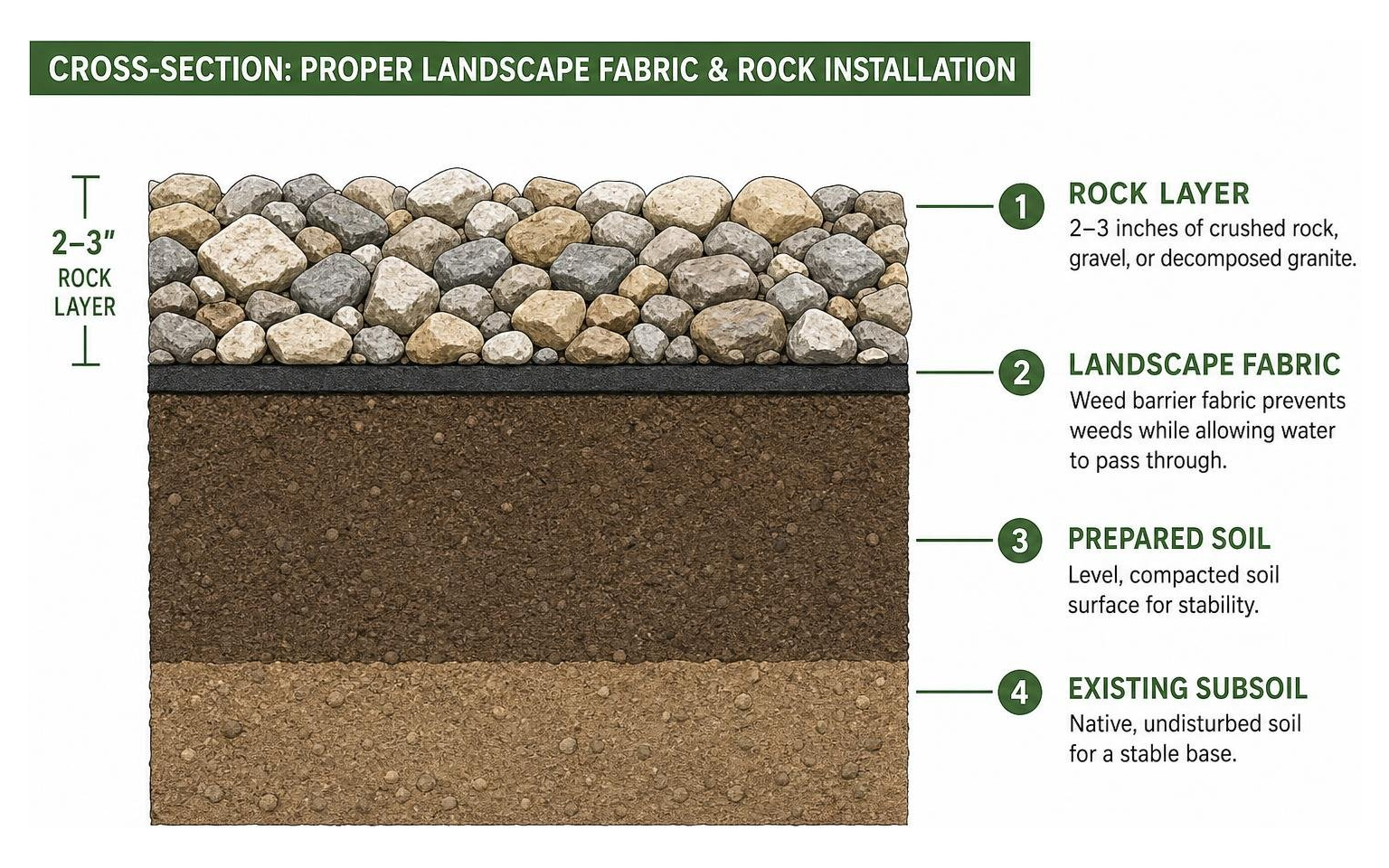
To ensure a new landscape stands up to the extreme weather of our region, professional installers follow a precise engineering sequence. Homeowners looking to transition their yards can learn about the process by understanding how experts approach how to xeriscape your golden shores front yard like a pro, focusing on proper soil grading and weed management. Additionally, studying structural techniques like those in the guide on steps to establish a xeric rock garden emphasizes that a lean, fast-draining soil mix is the absolute foundation of any successful rock garden.
The professional installation process begins with a comprehensive site assessment and grading plan. Experienced crews clear away existing turf and grade the soil to direct rainwater safely away from home foundations. Soil preparation involves excavating planting pockets and backfilling them with a highly permeable mix of coarse sand, crushed gravel, and native topsoil to prevent root rot in compacted caliche clay.
Next, professional-grade drip irrigation lines are installed with adjustable emitters targeted at specific root zones. A high-quality, non-woven geotextile landscape fabric is then laid down to suppress weeds while allowing the soil to breathe. Finally, large accent boulders are strategically positioned and partially buried to anchor the design, followed by the planting of desert flora and the uniform application of crushed rock or gravel ground cover.
Frequently Asked Questions About Rock Garden Xeriscaping
How much water and money does a rock xeriscape actually save?
On average, a rock xeriscape reduces outdoor water use by 50% to 70%. For a standard residential property, this translates to saving between 5,000 and 20,000 gallons of water per year. Homeowners also save hundreds of dollars annually by eliminating the need for lawn mowers, gas, fertilizers, pesticides, and frequent reseeding.
Should I use a plastic weed barrier under landscape rocks?
No. Solid plastic sheeting should never be used under landscape rocks in hot desert climates. Plastic traps moisture underneath, which suffocates beneficial soil organisms and causes root rot in desert plants. It also breaks down rapidly under intense UV exposure, allowing weeds to grow through the cracks. Always use a high-quality, breathable, non-woven geotextile fabric instead.
What is the best rock type for hot, sunny Arizona locations?
Light-colored, porous stones like quartzite, limestone, or light gray granite are the best choices for sunny desert yards. Dark stones like volcanic basalt or dark slate absorb intense solar radiation and can heat up to over 140°F on a summer day, radiating heat back onto your plants and home. Discover more material tips in our guide on arizona landscape ideas for a cool yard in a hot state.
Conclusion
Transitioning to a rock xeriscape is one of the smartest investments you can make for your desert home. By replacing high-maintenance grass with natural stone, gravel, and hardy native plants, you can create a beautiful, water-wise oasis that thrives in our challenging climate.
Since 2003, River Palm Landscaping has helped homeowners in Lake Havasu City, Golden Shores, and Parker, Arizona design and install durable, climate-appropriate outdoor spaces. If you are ready to transform your yard into a low-maintenance masterpiece, explore our professional desert landscaping services and schedule a consultation with our experienced local team today.