Why Rock Garden Landscaping is one of the Smartest Investments for Desert Homeowners
Rock garden landscaping is the practice of designing outdoor spaces using natural stone, gravel, and drought-tolerant plants to create a low-maintenance, visually striking landscape — and in Lake Havasu City, it’s one of the most practical upgrades a homeowner can make.
Many homeowners here start with a basic rock bed and end up with a yard that radiates brutal heat, washes out during monsoon rains, or looks rough and unfinished. That’s almost always a sign of poor grading, wrong material choices, or skipped drainage steps — problems that compound over time and cost more to fix later.
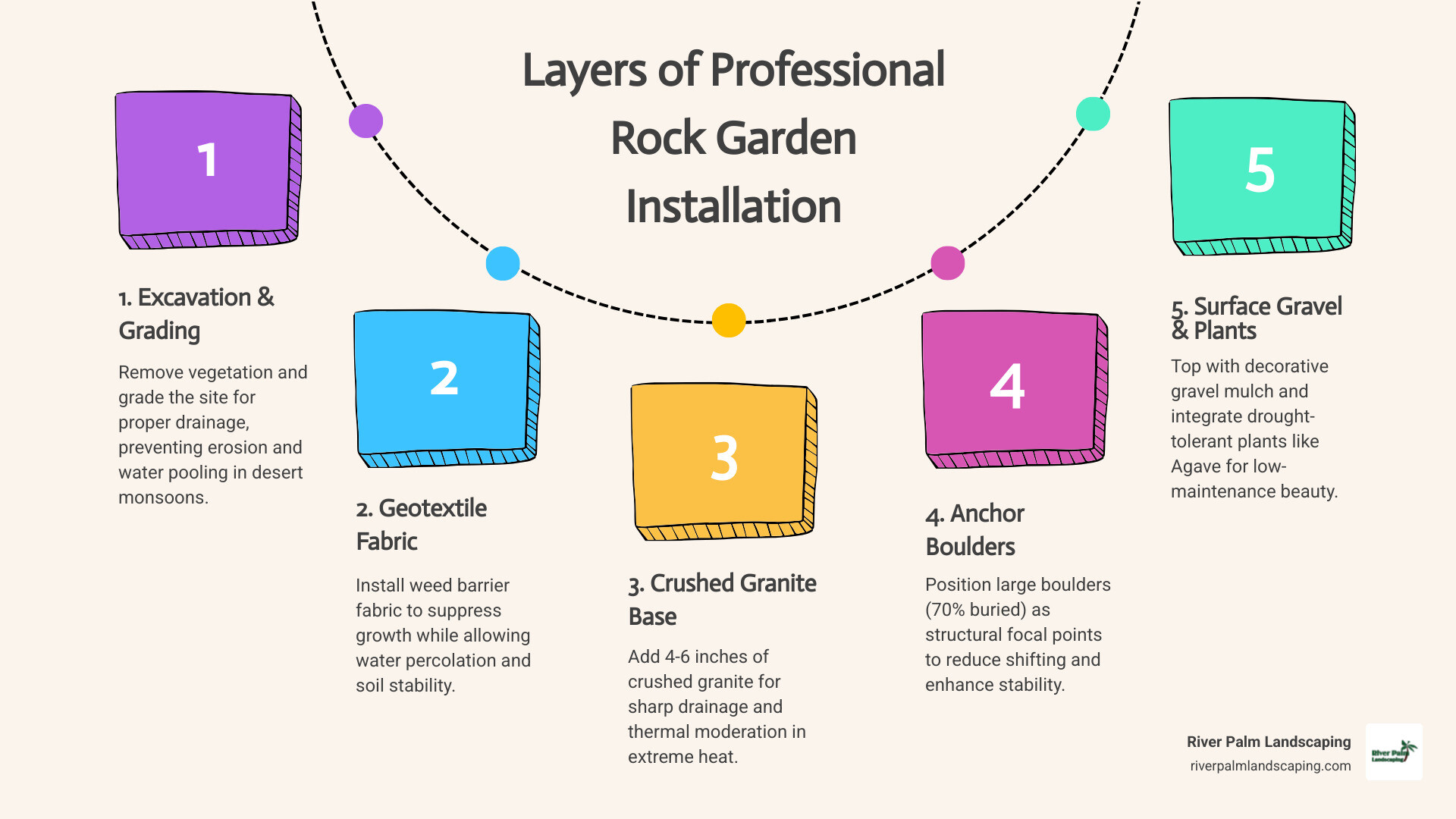
Here’s a quick look at what a professionally installed rock garden actually involves:
| Element | What it does |
|---|---|
| Crushed granite base | Provides drainage and thermal stability |
| Geotextile fabric | Blocks weeds without trapping moisture |
| Anchor boulders | Add structure and reduce erosion |
| Desert-hardy plants | Lantana, Agave, Totem Pole cactus |
| Gravel surface layer | Suppresses weeds, reflects heat away from crowns |
| Proper site grading | Directs water flow, prevents pooling |
When these elements work together — installed with the right sequence and the right materials for the Sonoran Desert climate — the result is a yard that looks sharp year-round, uses far less water than turf, and holds up through everything from triple-digit heat to monsoon downpours.
Material costs vary by project depending on rock type, site conditions, coverage area, and grading complexity. Think of it as a long-term investment in both curb appeal and property resilience, not just a decorative choice.
Below, we break down the best materials, design approaches, and installation techniques for rock garden landscaping in Lake Havasu City and the surrounding area.
Essential Rock and Stone Varieties for Desert Landscapes
In the extreme heat of Lake Havasu City and Parker, the choice of stone is about more than just color. Different types of aggregate react differently to UV exposure and water runoff. Using the wrong stone in a high-traffic area or a drainage swale can lead to shifting, heat-stress on plants, or a landscape that simply looks “washed out” after a year.
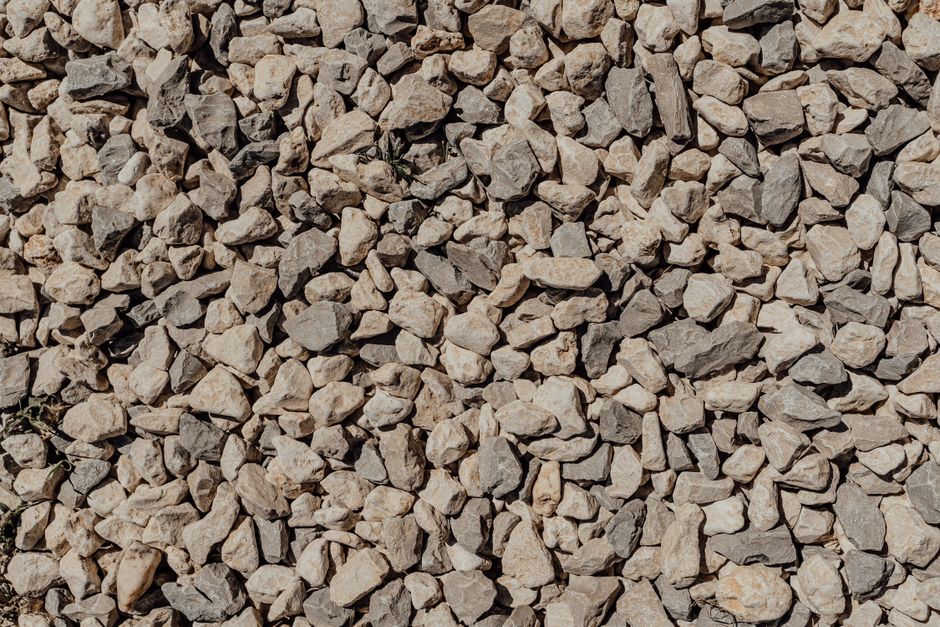
Selecting the right rock garden landscaping materials
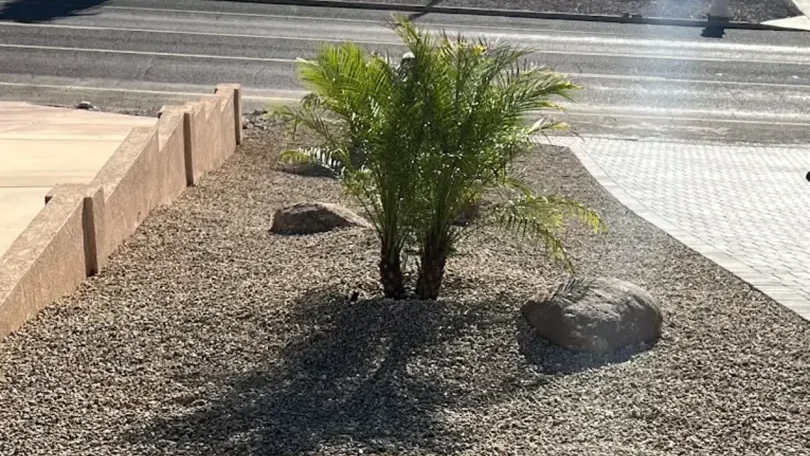
For most rock garden landscaping projects, the primary ground cover consists of crushed granite or decorative gravel. Crushed granite is a staple in Arizona because its angular edges allow it to lock together, providing a stable surface that doesn’t shift underfoot or wash away easily during heavy rains.
Color families typically range from earthy tans and “Desert Gold” to deep reds and cool grays. Selecting a color that complements your home’s exterior is vital for curb appeal. For instance, lighter-colored rocks can brighten a shaded entryway, while deeper tones add rich contrast to modern architecture. When planning residential landscaping, it is also important to consider the size of the stone. Smaller 1/4-inch to 1/2-inch fines are excellent for pathways, while 1-inch to 3-inch stones are better suited for larger open areas where they provide better coverage and visual weight.
Durability is another factor. In our region, non-porous stones like granite, basalt, and quartzite are preferred. These materials resist the “pitting” and weathering that can occur with softer stones like sandstone or limestone when exposed to the intense Arizona sun.
| Rock Type | Best Use | Heat Retention |
|---|---|---|
| Crushed Granite | General ground cover, pathways | Moderate |
| River Rock | Drainage swales, dry creek beds | High |
| Mexican Beach Pebbles | Accents, modern borders | Moderate |
| Lava Rock | Slopes (lightweight), bold accents | High |
Boulders and structural anchors
No rock garden is complete without structural anchors. Large boulders serve as the focal points that give the landscape a sense of age and permanence. When selecting boulders, granite and basalt are top choices for their rugged texture and ability to withstand the elements.
A professional secret to making these stones look natural is the 70% burial rule. Instead of sitting a boulder on top of the gravel like a “dropped egg,” a professional installer will bury approximately one-third to one-half of the stone’s height into the ground. This anchors the stone against shifting and provides thermal moderation for the soil beneath it, creating a cooler microclimate for nearby plant roots. This technique is a cornerstone of how to make a rock garden look like it has been part of the landscape for decades.
Professional Design and Layout for Rock Garden Landscaping
A successful layout considers the sun’s path and the natural topography of your lot. In Lake Havasu City, the afternoon sun is a powerful force that can bake plants if they are placed next to heat-absorbing dark boulders on a west-facing wall.
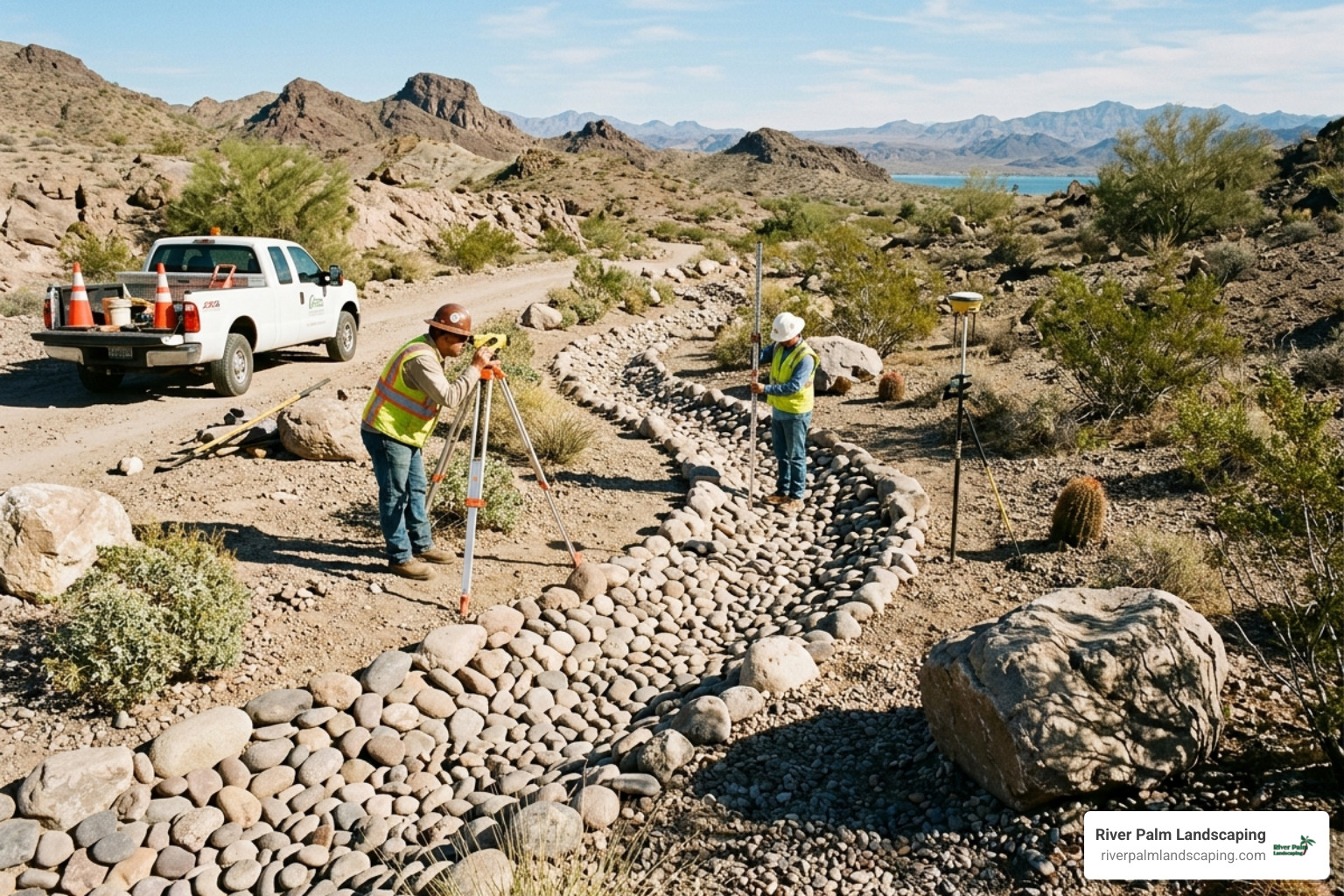
Rock garden landscaping for slopes and drainage
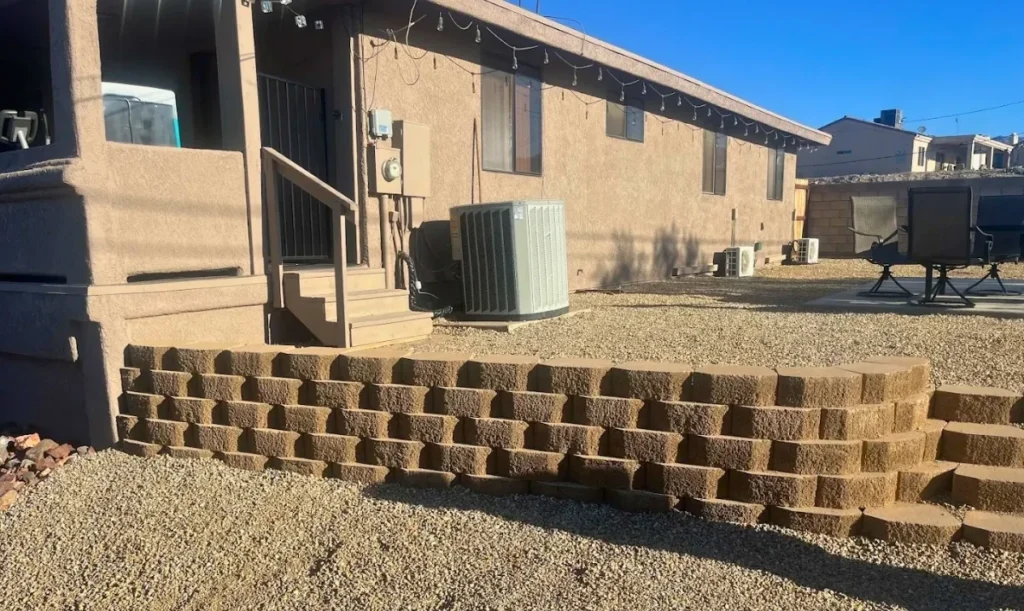
Many properties in Golden Shores and Parker feature natural slopes that are prone to erosion. Professional desert garden design in Havasu focuses on turning these challenges into assets. By using terracing and strategically placed swales, we can manage runoff from monsoon storms, preventing soil from washing onto your driveway or into the street.
Effective maximizing your landscape with desert landscaping involves creating “check dams” or dry creek beds. These are not just decorative; they are engineered to slow down water flow and allow it to percolate into the soil, protecting your property’s foundation and providing deep hydration to your trees.
Creative styles for arid environments
While many think of rock gardens as just “rocks and dirt,” there are several distinct styles that work beautifully in our climate. Modern minimalism uses clean lines, large-format pavers, and monochromatic stone colors to create a high-end look. Conversely, a “dry creek bed” style mimics a natural wash, using varying sizes of river rock and boulders to draw the eye through the yard.
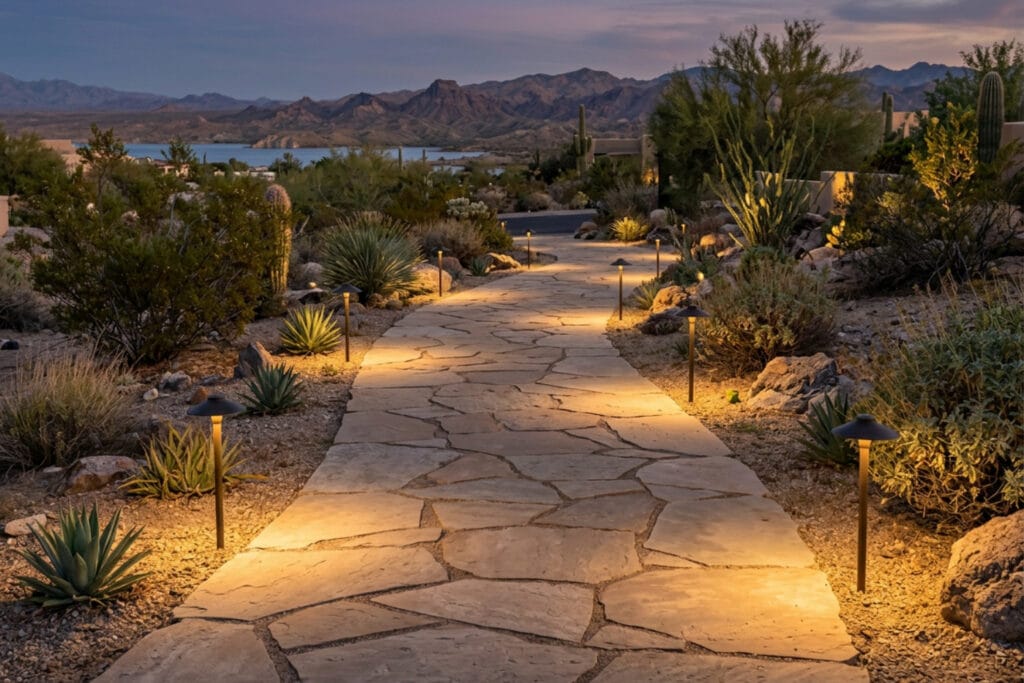
For those looking for Arizona landscape ideas for a cool yard in a hot state, incorporating Zen-inspired elements like raked decomposed granite or succulent displays can create a sense of tranquility without the high water bill associated with traditional gardens.
Technical Installation: Soil, Drainage, and Weed Control
The difference between a landscape that lasts twenty years and one that fails in two seasons is the preparation beneath the surface. Many DIY attempts fail because they place rock directly over existing weeds or fail to address the underlying soil compaction.
Foundation and soil preparation
Professional installation begins with excavation. We typically remove several inches of native topsoil to ensure the finished rock layer sits flush with your hardscaping. If the soil is heavy clay, we may amend it with sandy loam to ensure sharp drainage. This is critical because even desert plants will suffer from root rot if water pools around their base for too long.
A solid desert hardscape installation guide for Lake Havasu homes always emphasizes proper grading. The ground must be sloped away from the home’s foundation — usually at a 1% to 2% grade — to ensure water travels safely to designated drainage areas or the street.
Long-term maintenance and weed suppression
Weed control in a rock garden is a multi-layered approach. We start with high-quality, non-woven geotextile fabric. Unlike the cheap plastic liners found at big-box stores, professional-grade fabric allows air and water to reach the soil while preventing weed seeds from taking root in the dirt below.
Following guidelines for building a rock garden, we then apply a thick layer of rock mulch. In the desert, we also recommend a regular application of pre-emergent herbicide twice a year to kill weed seeds that blow into the gravel from the surrounding desert. This comprehensive approach to desert landscaping ensures your yard remains low-maintenance for the long haul.
Drought-Tolerant Plant Integration for Arid Rockeries
Plants are the “softscape” that balances the “hardscape” of the rocks. In Lake Havasu, plants must be able to survive 120-degree days and intense UV radiation.
Selecting desert-hardy species
The best plants for a rock garden are those with fibrous or shallow root systems that can navigate the spaces between stones. Some of our top recommendations for the best low-maintenance desert plants include:
- Lantana: Provides vibrant color and spreads effectively to soften rock edges.
- Totem Pole Cactus: A sculptural, slow-growing cactus that adds height without taking up much horizontal space.
- Agave and Yucca: These provide dramatic architectural shapes and are incredibly drought-tolerant.
- Ornamental Grasses: Varieties like Deer Grass add movement and texture to an otherwise static stone landscape.
When integrating these plants near pavers, it’s important to select species that won’t have invasive root systems that could lift or shift your hardscaping over time.
Strategic planting for rock garden landscaping
Professional installers group plants by their water needs — a practice known as hydrozoning. This ensures that your Agave isn’t getting drowned by the same amount of water needed for a flowering shrub. We use precision drip irrigation systems that deliver water directly to the root zone, minimizing evaporation.
To prevent crown rot, we ensure that the “neck” of the plant is slightly elevated above the surrounding grade and covered with gravel rather than soil. This keeps moisture away from the sensitive stem of the plant, which is a common cause of plant failure in newly installed rock gardens.
Frequently Asked Questions about Rock Garden Landscaping
What are the best rocks for high-heat areas in Arizona?
Crushed granite and basalt are excellent because they are durable and don’t “bleach” or break down in the sun. Lighter colors like tan or gray reflect more heat than dark volcanic rock, making them a better choice for areas close to the home or sensitive plants.
How do professional installers prevent weeds in rock gardens?
We use a three-pronged approach: professional-grade geotextile fabric, a minimum 2-inch to 3-inch layer of rock mulch, and the recommendation of biannual pre-emergent treatments to stop airborne seeds from germinating in the gravel.
When is the best time to install a new rock garden in Lake Havasu?
While we install year-round, early fall (September to October) and early spring (February to March) are ideal. These windows allow new plants to establish their root systems before the extreme heat of summer or the occasional frost of winter.
Conclusion
At River Palm Landscaping, we know that a yard in Lake Havasu City has to be built differently. Since 2003, we have specialized in creating outdoor spaces that handle the unique challenges of the Arizona desert. Whether you are looking for a complete landscape design refresh or a targeted rock installation to improve your home’s drainage and curb appeal, our team has the local experience to get the job done right.
Professional rock garden landscaping is an investment in your property’s resilience and aesthetic appeal. By choosing climate-appropriate materials and ensuring technical precision in drainage and grading, you can create a stunning outdoor space that thrives in the Arizona heat. Contact River Palm Landscaping today for a consultation on your next project in Lake Havasu City, Golden Shores, or Parker.