What Actually Works for a Desert Backyard in Lake Havasu City
Most homeowners in Lake Havasu City start planning their desert backyard ideas with enthusiasm — and then hit a wall. Literally. Caliche soil stops shovels cold, summer concrete gets hot enough to burn through sandals, and the first monsoon reveals every drainage mistake at once. Getting a desert backyard right means solving real engineering problems before you ever pick a plant.
Here is a quick look at the core elements that make a desert backyard functional and beautiful in an arid climate:
| Element | Why It Matters in the Desert |
|---|---|
| Grading and drainage | Prevents monsoon flooding and soil erosion |
| Hardscape materials | Pavers and flagstone outperform concrete in extreme heat |
| Shade structures | Ramadas and pergolas make outdoor spaces usable in summer |
| Desert-hardy plants | Agave, Lantana, and yucca thrive with minimal irrigation |
| Drip irrigation | Delivers water to roots and cuts waste significantly |
| Gravel and decomposed granite | Reduces maintenance and improves drainage |
| Low-voltage lighting | Extends usability into cooler evening hours |
Desert landscaping can reduce outdoor water use by 50–75% compared to a traditional lawn, and native desert plants can require up to 80% less water than non-native species. In a city where summer temperatures routinely exceed 115°F and water costs are a real concern, those numbers matter.
This guide covers what a properly designed desert backyard actually involves — from managing caliche soil and thermal expansion to choosing shade structures that survive monsoon wind loads. Whether you are a busy homeowner, a vacation rental owner, or managing a property in Golden Shores or Parker, the ideas here are grounded in what works in this specific climate.
25 Desert Backyard Ideas for a Finished Arizona Outdoor Space
Before getting into drainage, caliche, and construction details, it helps to picture the finished yard. The best desert backyard ideas combine several elements at once: a comfortable patio, structured shade, low-water plants, durable hardscape, night lighting, and one or two focal points that make the space feel intentional.
Here are 25 desert backyard ideas that consistently perform well in Lake Havasu City, Parker, and Golden Shores:
- Paver patio lounge with a ramada — Use a large light-colored paver patio, a solid-roof shade structure, ceiling fans, and comfortable seating to create a true outdoor living room.
- Fire pit patio with seat walls — Combine a circular or rectangular paver patio with built-in seat walls, gravel borders, and low-voltage lighting for evening use.
- Artificial turf gathering area — Add a small synthetic turf zone framed by pavers or river rock for kids, pets, cornhole, or rental-property guests.
- Curved walkway garden — Use winding paver or flagstone paths through agave, yucca, Lantana, boulders, and decomposed granite to soften a rectangular yard.
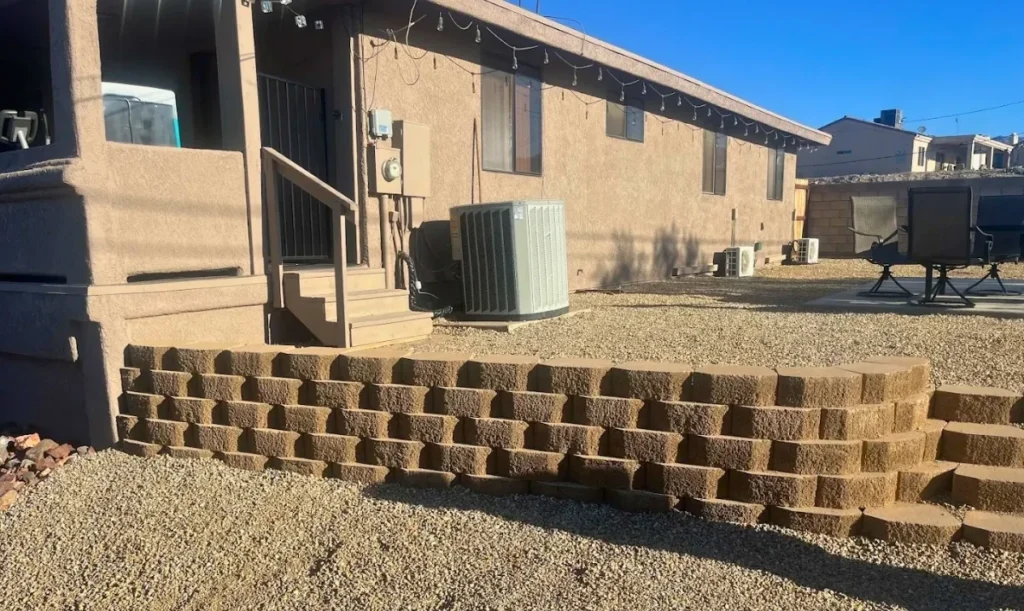
- Raised planter wall backyard — Build low retaining or planter walls to create layers of desert plants while improving structure and visual height.
- Outdoor kitchen under shade — Place a grill island, prep counter, and dining area beneath a ramada or pergola so the space stays usable in afternoon heat.
- Modern gravel courtyard — Use clean decomposed granite, geometric paver pads, sculptural cactus, and minimalist lighting for a low-maintenance modern look.
- Poolside desert oasis — Surround the pool with cool-toned pavers, palms or desert-adapted accents, shade sails, and low-glare lighting.
- Boulder-and-cactus focal garden — Group large boulders with Totem Pole cactus, agave, barrel cactus, and river rock for a dramatic view from the patio.
- Water bowl seating area — Add a small recirculating water bowl or basalt fountain near shaded seating for sound and movement without heavy water use.
- Pergola dining terrace — Use a louvered pergola over a dining table, with climbing shade-friendly accents, pavers, and warm string or low-voltage lighting.
- Desert resort backyard — Combine palms, pavers, turf, fire, water, and lighting for a polished vacation-rental or resort-style atmosphere.
- Dry creek bed landscape — Use a natural-looking rock channel as both a design feature and a way to move stormwater away from the home.
- Split-level entertainment yard — Create upper and lower patios with retaining walls, steps, and lighting to make a sloped yard more usable.
- Shade sail play zone — Install properly anchored shade sails over a turf or gravel activity area for children, pets, or guest seating.
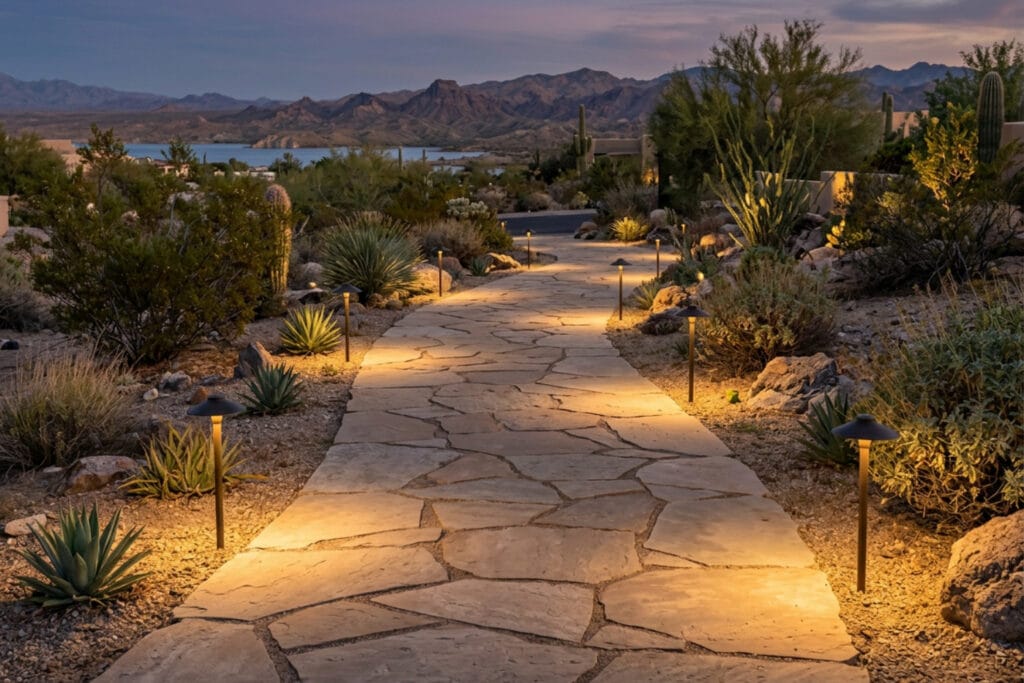
- Flagstone garden path — Use irregular flagstone through decomposed granite and desert plants for a softer, organic look.
- Low-water color garden — Group Lantana, red yucca, desert marigold, and other heat-tolerant bloomers near patios and windows for seasonal color.
- Cactus silhouette lighting garden — Use uplighting on sculptural cactus and stone walls to make the backyard more beautiful after dark.
- Built-in bench patio — Add masonry or paver seat walls around a patio to reduce furniture needs and define the gathering zone.
- Side-yard transformation — Turn a narrow side yard into a paver walkway with lighting, gravel, and vertical plant accents.
- Desert privacy border — Use layered shrubs, ornamental grasses, raised beds, and wall lighting to soften block walls and improve privacy.
- RV-friendly backyard edge — Combine durable gravel, paver pads, and low-profile planting for homeowners who need access without sacrificing design.
- Small backyard courtyard — Use one strong focal point, a compact seating area, pavers, and a few architectural plants to make a small yard feel finished.
- Rental-ready outdoor lounge — Choose durable pavers, artificial turf, shade, simple planting, and lighting for a low-maintenance guest-friendly setup.
- Monsoon-smart desert garden — Blend dry creek beds, boulders, raised planting, and permeable hardscape so drainage features look like part of the design.
| Backyard Goal | Best Solution |
|---|---|
| Cooler patio | Pergola + travertine |
| Lower maintenance | Gravel + agave |
| Family yard | Turf + shade |
| Entertaining | Outdoor kitchen |
| Better drainage | Dry creek + retaining wall |
The strongest backyards rarely rely on one idea alone. A finished desert yard might combine a paver patio, shaded dining area, artificial turf strip, boulder garden, gas fire pit, and low-voltage lighting into one cohesive outdoor living space.
Popular Desert Backyard Styles
Once the core ideas are clear, it becomes easier to choose a design style. A recognizable style helps the backyard feel intentional instead of like a random mix of rock, plants, and patio materials. Many homeowners looking for backyard remodel ideas Arizona start by combining a clear design style with practical upgrades that make the yard cooler, easier to maintain, and more comfortable to use. These are some of the most effective desert backyard styles for Lake Havasu City, Parker, and Golden Shores properties:
| Desert Backyard Style | What It Looks Like | Best Features to Combine |
|---|---|---|
| Modern desert | Clean lines, smooth pavers, dark contrast, and sculptural plants | Smooth concrete-look pavers, agave, yucca, black gravel, steel accents, low-glare lighting |
| Resort style | Polished, comfortable, and guest-friendly with a vacation-home feel | Artificial turf, palms, travertine or light pavers, shade structures, water bowls, lounge seating |
| Southwest desert | Warm, natural, and rugged with organic shapes | Flagstone, boulders, cactus, river rock, decomposed granite, Lantana, rustic seat walls |
| Tropical-inspired desert | Lush and colorful without ignoring the heat | Layered planting, colorful Lantana, palms where appropriate, shade structures, lighting, water accents |
| Entertainment backyard | Built for cooking, gathering, and evening use | Outdoor kitchen, fire pit, low-voltage lighting, turf, paver patios, built-in seating, ramadas |
For Lake Havasu properties, the most successful designs usually blend beauty with heat performance. A resort-style yard may look lush, but it still needs desert-hardy plants, efficient irrigation, and materials that do not become unbearable underfoot. A modern yard may look simple, but it still needs shade, drainage, and enough focal points to avoid feeling flat.
The best approach is often to choose one primary style and then borrow practical features from another. For example, a tropical-inspired desert backyard can still use modern pavers and black gravel, while an entertainment backyard can include Southwest boulders and cactus to keep the design grounded in the Arizona landscape.
Backyard Layout Examples That Combine Patios, Plants, Shade, and Lighting
A strong layout turns separate backyard features into a usable outdoor living plan. Instead of placing plants, pavers, turf, and lighting wherever space is available, well-planned designs build around how the homeowner will actually use the yard.
For a small backyard, the best layout is often a compact courtyard: one paver patio near the house, a shaded seating zone, a narrow planting border, and one focal feature such as a water bowl, boulder grouping, or fire pit. This keeps the space open while still giving the yard a finished look.
For a wide backyard, multiple zones work better. A large paver patio can anchor the outdoor living area, while a curved walkway leads to a fire pit, turf area, or quiet seating corner. Plants and boulders soften the transitions between zones, and low-voltage lighting helps the whole yard feel connected at night.
For a sloped backyard, tiered spaces can create both beauty and function. A raised patio, lower fire pit area, planter walls, and dry creek bed can work together to manage elevation changes while giving the yard a layered, resort-like feel.
For a pool backyard, the layout should prioritize cool walking surfaces, shade near seating areas, plants that do not constantly drop debris into the water, and lighting that improves safety without creating glare. Pavers, travertine, artificial turf accents, and structural shade all help make the pool area more usable during Arizona summers.
Good layout planning also prevents the most common mistake in desert backyard design: creating a yard that looks good in photos but feels too hot, exposed, or awkward to use in real life.
Hardscaping Materials Built to Survive Extreme Desert Heat
Popular backyard hardscape ideas include:
- Large paver patios for outdoor living rooms
- Curved walkways that guide movement through the yard
- Raised planter walls for depth and structure
- Outdoor kitchens with shaded prep and dining space
- Artificial turf gathering areas framed by pavers or rock
- Fire pit patios for evening use
- Seat walls that define patios and add built-in seating
Once the hardscape concept is clear, material selection becomes critical. Standard poured concrete patios quickly crack under the intense Arizona sun, leaving homeowners with unsightly fractures, uneven surfaces, and expensive repair bills. The extreme thermal mass of solid concrete causes it to expand during 115°F summer days and contract during cooler desert nights. Over time, this constant movement, combined with shifting desert soils, makes cracking almost inevitable.
To build a durable outdoor living space, well-planned installations prioritize interlocking pavers and natural flagstone over large slabs of poured concrete. Pavers are individual units set on a flexible base of compacted sand and crushed stone. This design allows the patio to flex naturally with thermal expansion and ground movement without cracking. Replacing a single damaged paver is also simpler and less expensive than patching or replacing an entire concrete slab.
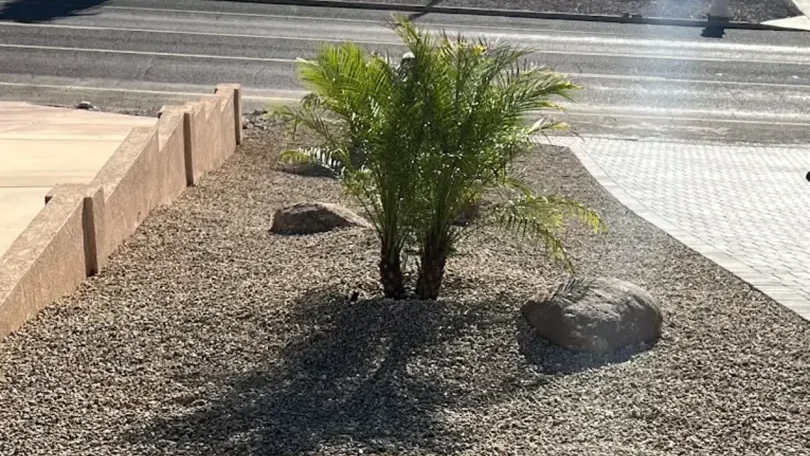
Choosing the right hardscape materials also involves selecting cooling materials that do not absorb and radiate extreme heat. Lighter-colored pavers and natural travertine reflect more sunlight, keeping the ground significantly cooler underfoot. For walking paths and transition zones, stabilized decomposed granite or multi-colored river rock beds provide a permeable surface that allows rainwater to soak directly into the ground rather than running off.

When planning these hardscape zones, it is helpful to understand how they integrate with pool surrounds and high-traffic areas. Homeowners can read more about selecting durable materials for backyards and pool decks to ensure their investment survives the summer heat. Additionally, selecting the right rock types is crucial; you can find detailed advice on choosing materials in our guide on Rock Garden Landscaping Lake Havasu. To gather more inspiration on local styling, check out Arizona Landscape Ideas for a Cool Yard in a Hot State.
Designing Shade and Outdoor Living Zones for Western Sun Exposure
Beautifully designed backyards often sit completely empty for half the year because direct western sun exposure turns uncovered patios into literal ovens. In our region, shade is not a luxury decorative feature; it is a fundamental requirement for outdoor usability. Designing a functional desert backyard requires careful analysis of shade orientation to block the intense afternoon sun.
Built shade structures like ramadas, pergolas, and high-tension shade sails are the primary defense against the heat. A solid-roof ramada provides complete shade and can be outfitted with ceiling fans and misting systems to drop the ambient temperature by up to 15 degrees. Pergolas with adjustable louvers allow homeowners to control the amount of light throughout the day, while shade sails offer a modern, architectural look that can be angled specifically to block low-angle western sun in the late afternoon.
Integrating these structures with functional zones, such as outdoor kitchens, creates a seamless transition from the home. Placing cooking areas on the eastern side of the home or under a protective cover prevents appliances and countertops from absorbing direct solar heat, making them comfortable to use even during warm afternoons.
For stronger regional guidance on desert gardening and water-smart landscape planning, homeowners can explore the University of Arizona Extension overview of landscape gardening in the desert and the Arizona Municipal Water Users Association resources for Arizona desert landscapes and watering. To explore the latest design trends that help local properties stay functional, read about Lake Havasu backyard design trends that beat the heat. For broader architectural inspiration across the state, the Desert Landscape Design Arizona resource provides excellent regional examples.
Integrating Shade Structures into Your Desert Backyard Ideas
When installing heavy shade structures, structural engineering is critical. Lake Havasu City and Parker experience powerful monsoonal winds that can easily tear down poorly anchored structures or lift unsecured shade sails like kites.
Correctly installed shade structures require calculated wind loads and deep concrete footings to anchor the support posts. Wood structures must be treated to resist intense UV degradation, while metal-frame pergolas require durable powder coatings to prevent rust and thermal warping. By consulting professional desert backyard garden design and plant ideas, homeowners can see how engineered shade structures are safely integrated into a comprehensive backyard layout.
Selecting and Installing Desert-Hardy Plants and Succulents
Overwatering exotic plants out of fear they will die in the heat actually causes root rot in compacted, poorly draining desert soils. Many homeowners try to bring non-native species into their yards, only to watch them struggle and fail when summer arrives. The key to a thriving desert landscape is selecting plants that are naturally adapted to survive extreme heat and rocky conditions.
For structural impact, the Totem Pole cactus is an outstanding choice. Its smooth, sculptural form provides a dramatic vertical element without the hazard of sharp spines, making it safer for high-traffic patio areas. For vibrant, reliable color, Lantana is a desert staple that thrives in full sun and blooms in shades of yellow, purple, orange, and red. Agaves and yuccas offer architectural, pointed foliage that holds up beautifully during the hottest months of the year.
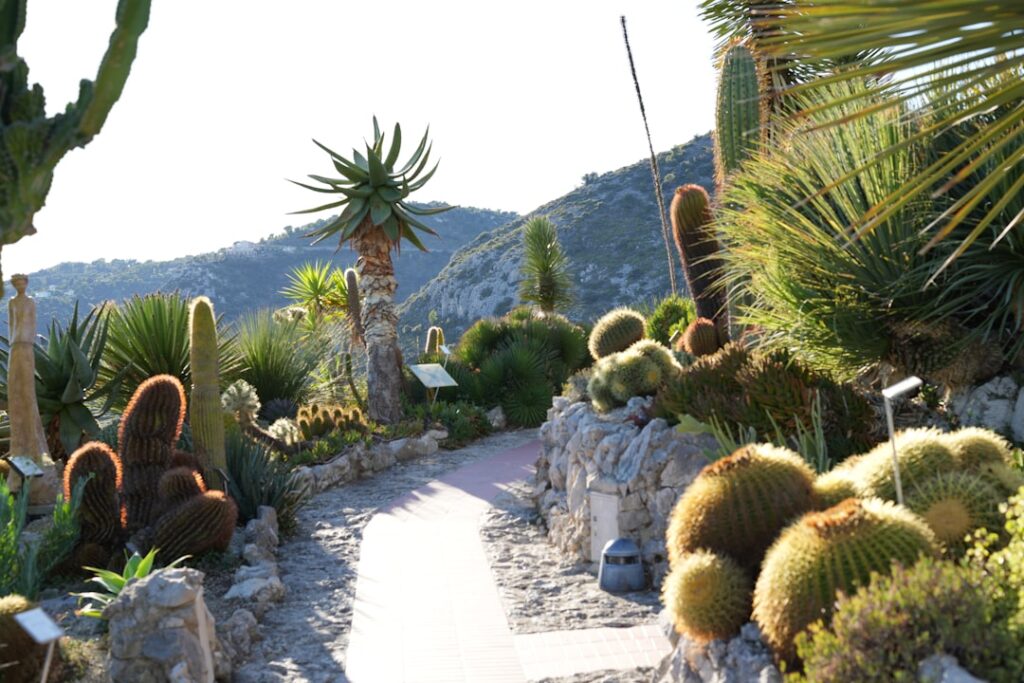
Successful planting in the desert requires proper soil preparation. Rather than over-amending the soil with rich organic compost—which can hold too much moisture and cause root rot in native desert plants—correct installation focuses on improving drainage. Mixing native soil with pumice or fine gravel allows water to pass through freely, encouraging deep root growth.
To explore the best choices for your yard, look at our curated list of the best low maintenance desert plants. For expert horticultural advice on desert garden design, you can also browse the Landscape Design Archives by the AZ Plant Lady.
Low-Water Planting Schemes for Modern Desert Backyard Ideas
To maximize water efficiency, properly designed landscapes use a technique called hydrozoning. This involves grouping plants with similar water and light requirements together on the same irrigation valves. For example, placing low-water agaves and cacti on one zone while putting slightly thirstier flowering shrubs like Lantana on another prevents overwatering or underwatering.
Understanding microclimates is also essential. The south and west sides of a home receive intense, reflected heat from walls and windows, requiring the toughest desert-hardy species. Organic wood-chip mulch quickly breaks down and blows away in the desert wind; instead, gravel or decomposed granite mulch helps keep root zones cool and minimize evaporation.
For more ideas on selecting resilient species, check out our guide on drought proof garden plants. If you are interested in artistic ways to arrange these plants, read through Design Ideas from an Arizona Artist’s Garden for inspiration on color and texture.
Engineering the Perfect Layout: Structural Desert Backyard Ideas
Many homeowners discover too late that poor backyard grading leads to severe monsoon pooling against the foundation, while hidden caliche layers trap water and rot expensive plant root systems. In Lake Havasu City, Parker, and Golden Shores, a backyard is not just a flat canvas; it is an active drainage basin. When the summer monsoons hit, thousands of gallons of water can drop in a matter of minutes, turning poorly planned yards into muddy lakes.
Before final installation, a properly engineered landscape layout must address slope stabilization and water routing. On sloped properties, heavy rains quickly wash away loose gravel and topsoil. Installing tiered retaining walls is a highly effective way to stabilize these slopes while creating distinct, usable levels in the yard. However, building these walls requires managing hydrostatic pressure. When water pools behind a solid wall, the pressure can cause the structure to crack or bow. Correctly installed walls include gravel backfills, filter fabrics, and weep holes to ensure water drains safely away from the wall.
Another excellent structural solution is the dry creek bed. By digging a shallow, winding trench lined with heavy river rock and larger boulders, you create a natural-looking channel that directs heavy runoff away from the home’s foundation.
Integrating these structural elements ensures your yard remains intact year-round. For a deeper look at structural planning, read about maximizing your landscape with desert landscaping and explore The Complete Guide to Desert Landscaping Ideas to see how grading and hardscaping work together. Proper planning ensures that structural installations are built to last in our rugged terrain, which you can learn more about by exploring our main Desert Landscaping services.
Enhancing the Oasis with Water Features, Fire Pits, and Lighting
Desert yards can look dark, flat, and uninviting at night, completely wasting the best hours for outdoor relaxation. Adding strategic hardscape accents and lighting transforms a simple backyard into a dynamic evening oasis.
Water features, such as recirculating rock fountains or basalt columns, introduce soothing sound and movement to the yard. Because water evaporates rapidly in our low-humidity climate, well-designed systems use underground basins to minimize water loss. The physical process of evaporative cooling can actually lower the temperature of the immediate surrounding air, creating a comfortable microclimate near seating areas.
For cooler desert nights, a built-in gas fire pit serves as a natural gathering point. Unlike wood-burning fire pits, gas features produce no ash or flying embers, making them cleaner and safer to operate near comfortable outdoor furniture.
To tie the entire yard together after dark, low-voltage landscape lighting is essential. Rather than using bright, harsh floodlights that wash out the yard, directional uplighting on sculptural plants like the Totem Pole cactus or textured stone walls creates depth and drama. Low-profile path lights ensure safe navigation along gravel walkways without causing glare or light pollution.
For a closer look at how to balance water and fire elements in our local climate, read about Desert Garden Design Havasu to find ideas tailored directly to Lake Havasu properties.
Professional Maintenance and Water-Saving Strategies for Arid Climates
Neglected drip emitters and unmonitored irrigation lines can quietly leak thousands of gallons of water underground before any surface signs appear. In the extreme heat of Lake Havasu City, Parker, and Golden Shores, a malfunctioning irrigation system can destroy a mature landscape in a matter of days.
Water-saving strategies start with smart irrigation controllers. These systems adjust watering schedules automatically based on real-time local weather data, reducing water use during cooler periods and increasing it slightly when extreme heat waves strike. Drip irrigation is the gold standard for desert yards, delivering precise amounts of water directly to the plant’s root zone to eliminate evaporation loss.
Regular maintenance checks are vital. Crews conduct routine drip line inspections to identify clogged emitters, cracked poly tubing, or damage caused by local wildlife searching for water. Additionally, managing weeds is a continuous battle; applying pre-emergent barriers in the spring and fall prevents invasive weeds from taking over rock beds and stealing precious moisture from your plants.
Homeowners can learn more about maintaining clean, weed-free stone landscapes by reading our resource on rock garden landscaping Lake Havasu. If you are interested in a broader look at water-conscious regional designs, you can also explore Desert Landscaping & Xeriscaping in Lake Havasu City.
Frequently Asked Questions about Desert Backyards
How do I prevent concrete cracking in a hot desert climate?
To prevent cracking in our extreme climate, a successful installation starts with proper subgrade preparation and soil compaction before any material is laid. Installing deep control joints at regular intervals allows the concrete to expand and contract along pre-determined lines. However, for the ultimate durability and resistance to thermal expansion, interlocking concrete pavers or natural flagstone are highly recommended over large, solid concrete slabs.
What is the best way to handle caliche soil during installation?
Caliche is a concrete-like layer of calcium carbonate common in desert soils that blocks water drainage and stops standard digging tools. Experienced crews use heavy jackhammers or specialized excavation equipment to break through this tough layer. For planting zones, creating drainage test holes is essential; if the water does not drain, building raised planting beds with imported, well-draining soil is often the most reliable solution to prevent root rot.
Can I have a green lawn in a desert backyard without wasting water?
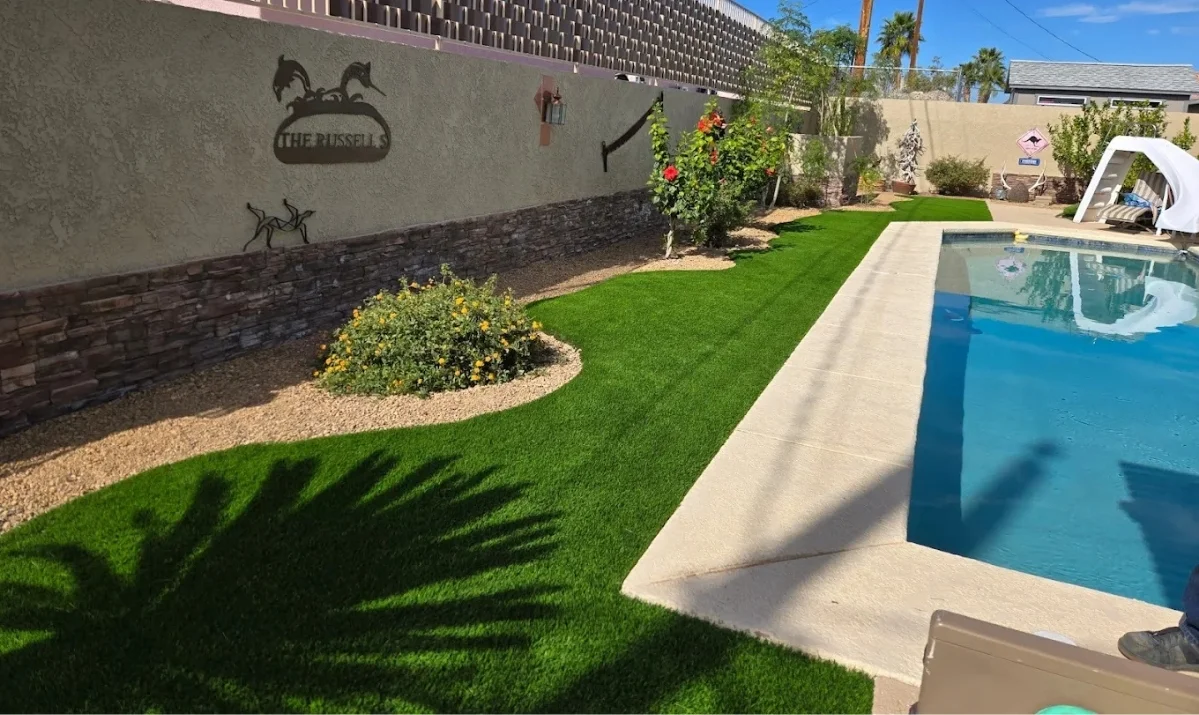
Yes, high-quality artificial turf is an excellent way to enjoy a lush, green lawn without the massive water bill of natural grass. Modern synthetic turf features advanced UV resistance to prevent fading in the intense sun, durable drainage backing to handle heavy rainfall, and cooling infill materials that help reduce surface temperatures on hot summer days.
What is the easiest desert backyard to maintain?
The easiest desert backyard to maintain usually combines decorative gravel, paver patios or walkways, drip irrigation, and tough low-water plants such as agave and Lantana. Adding low-voltage lighting also keeps the yard functional at night without adding much maintenance. This type of design minimizes mowing, reduces watering, limits weed growth, and still gives the space a polished, finished look.
Conclusion
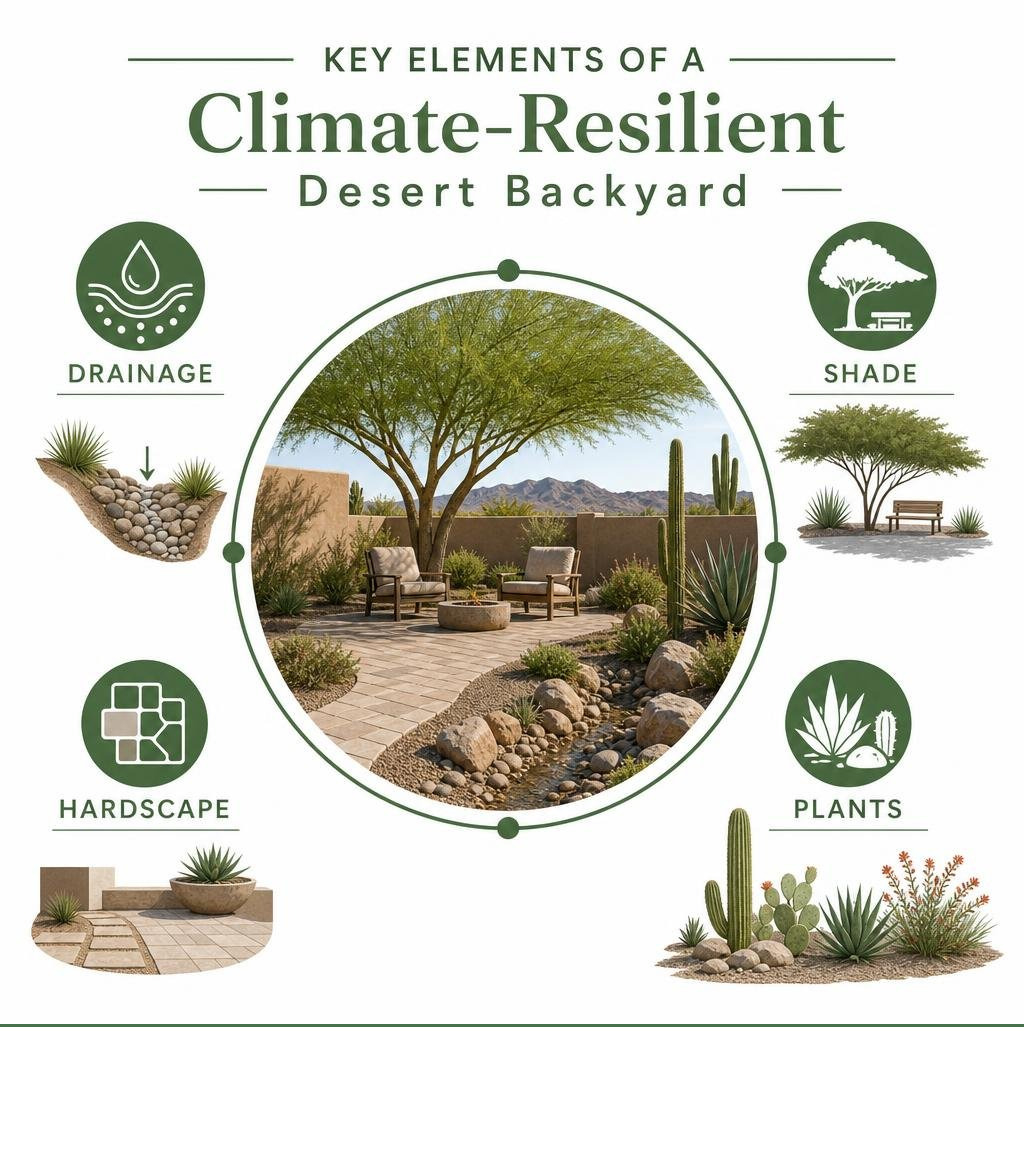
Creating a gorgeous, functional desert backyard in Lake Havasu City, Golden Shores, or Parker requires a careful balance of finished design inspiration and climate-appropriate construction. The best desert backyards don’t rely on a single feature—they combine shade, hardscape, plants, lighting, and drainage into one cohesive outdoor living space.
Once that vision is clear, the technical details make the design last. From managing caliche soil and monsoon drainage to selecting heat-tolerant plants and engineered shade structures, every element must be built to survive our unique environment.
Working with an experienced, licensed local contractor ensures your outdoor investment is installed correctly, using materials and techniques proven to withstand the test of time and temperature. If you are ready to transform your yard into a durable, low-maintenance oasis, contact River Palm Landscaping today to explore our professional landscape design services and schedule a consultation.