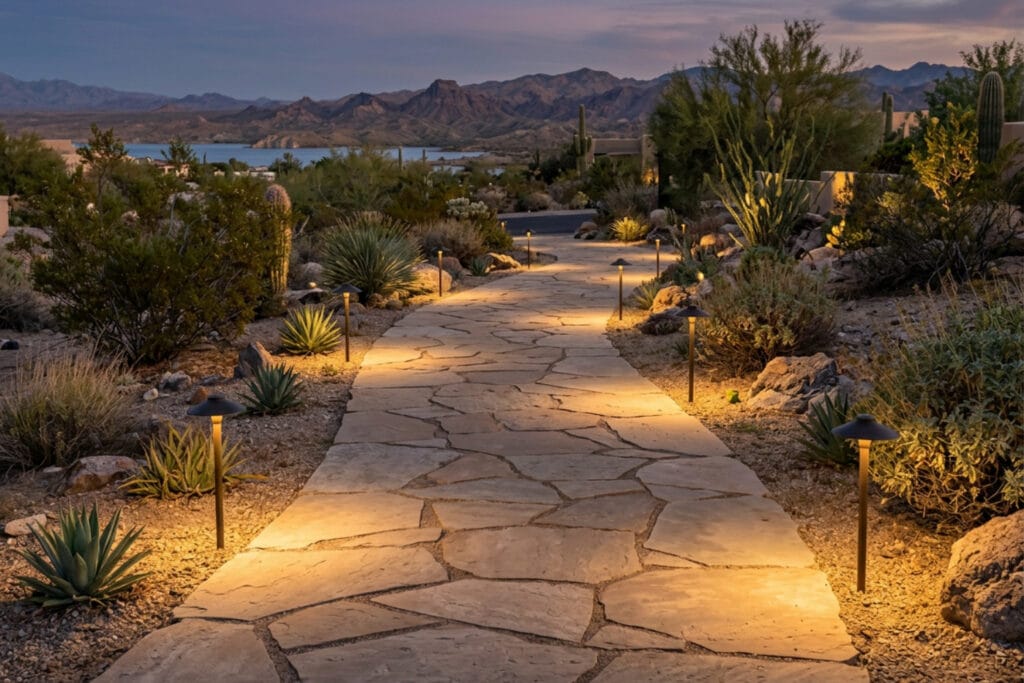
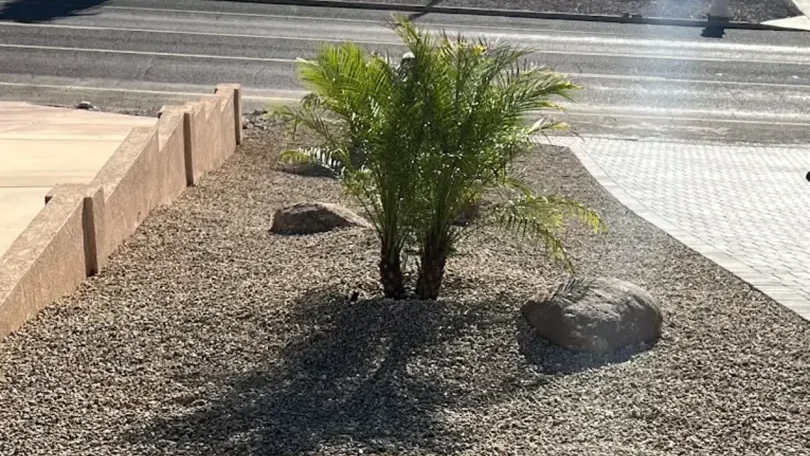
Why Retaining Wall Installation in Lake Havasu City Is More Complex Than It Looks
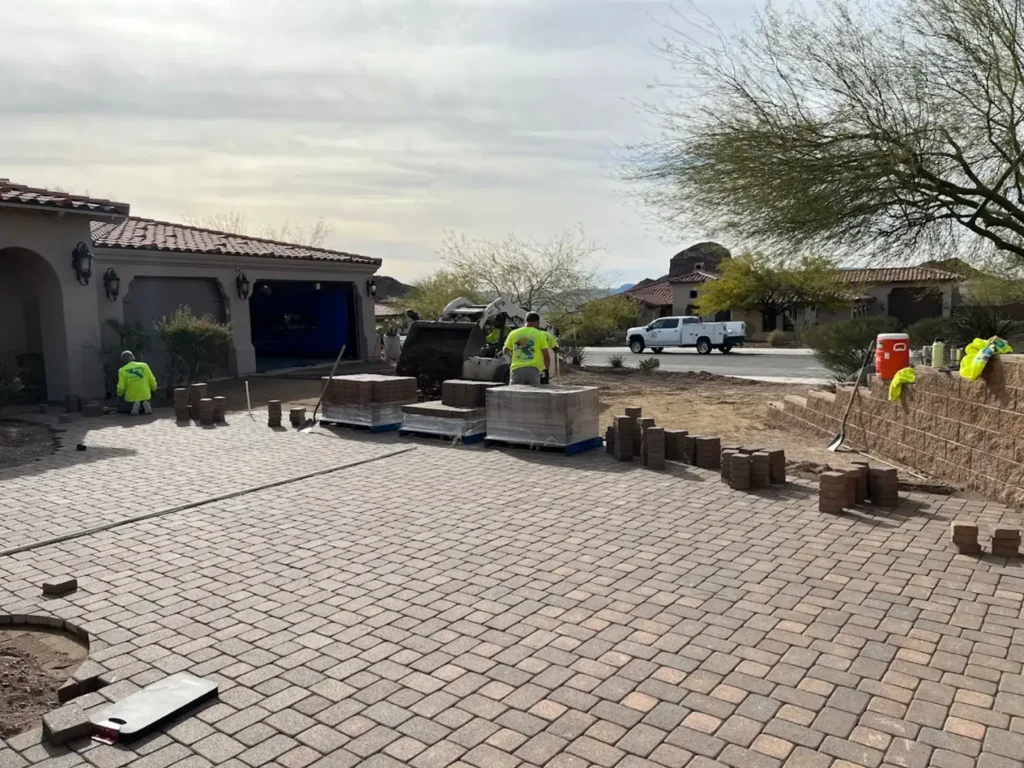
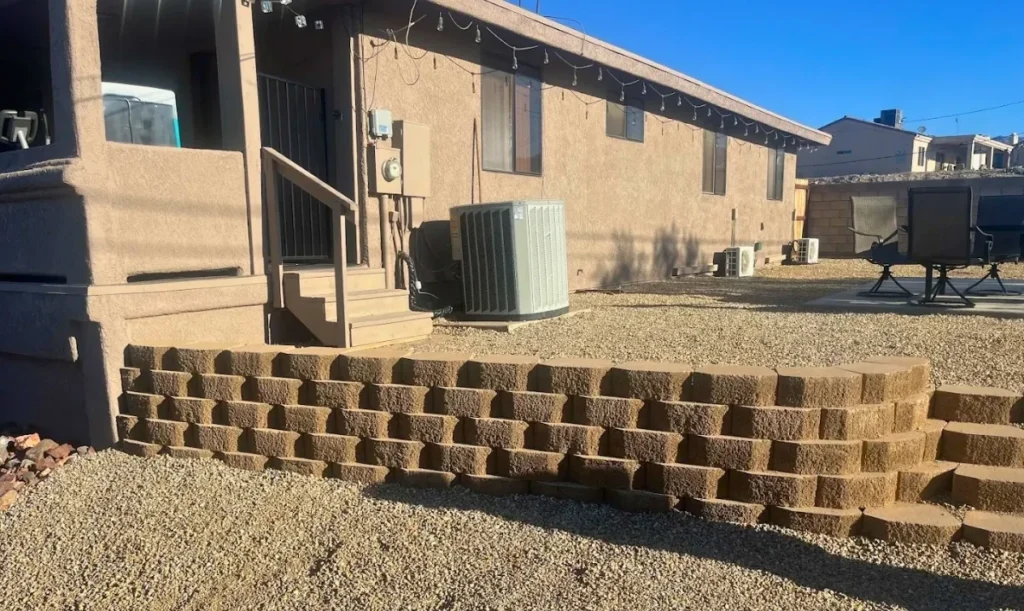
Retaining wall installation Lake Havasu homeowners invest in is one of the most common — and most misunderstood — landscaping projects in the area. Lake Havasu City’s sloped terrain, rocky desert soil, and intense monsoon seasons create real problems for properties without proper erosion control. Left unaddressed, shifting soil can damage foundations, crack driveways, and wash out yards during heavy rain.
Here’s a quick overview of what to know before starting a retaining wall project in Lake Havasu:
- Average project cost: Roughly $2,500–$3,600 for most residential walls, with a range of $884–$6,600+ depending on size and materials
- Common materials: Interlocking concrete block, poured concrete, natural stone — each suited to different budgets and site conditions
- Permit threshold: Walls over 4 feet tall (or any wall supporting a surcharge load) require a permit from Lake Havasu City
- Engineering: Walls over 3–4 feet typically need structural drawings from a licensed engineer
- Timeline: Most projects are completed in 3–7 days once permits and materials are in place
- Lifespan: A properly built wall can last 40–50 years or more in the desert climate
The desert heat, expansive soils, and monsoon runoff in Havasu make retaining walls a structural decision — not just a landscaping one. Choosing the right contractor, materials, and drainage design makes all the difference between a wall that lasts decades and one that fails in the first wet season.
The Cost of Retaining Wall Installation in Lake Havasu

When planning a budget for retaining wall installation, Lake Havasu homeowners should understand that no two projects are identical. The overall price is driven by the project scope, the specific materials selected, and the physical demands of the site. In Lake Havasu City, the typical cost for a professionally installed retaining wall ranges from $2,538 to $3,640, though smaller decorative projects might start as low as $884, while complex structural systems can exceed $6,600.
For a better sense of local price ranges, this retaining wall cost guide for Lake Havasu City shows how total cost often rises with wall size, material volume, and the amount of excavation needed to reach solid bearing soil. In Lake Havasu, rocky and compacted ground can make footing work slower and more labor-intensive than it would be in areas with softer soil.
Factors Influencing Retaining Wall Installation Lake Havasu Pricing
Several variables can shift your estimate. Site accessibility is a major factor; if a Bobcat or excavator cannot easily reach the backyard, manual labor costs will rise. Wall height is another primary driver—as a wall gets taller, the thickness of the base and the amount of backfill material must increase exponentially to resist the weight of the soil.
Surcharge loads matter too. If a retaining wall will hold back soil near a driveway, parking area, or the base of a steep slope, it usually needs more reinforcement than a simple garden wall. Local pricing data from retaining wall costs in Lake Havasu City suggests poured concrete walls often fall around $40 to $44 per square foot, partly because installation can require more equipment and careful handling in desert conditions.
Material-Specific Cost Breakdowns
The material you choose dictates both the aesthetic and the final invoice. Here is a general breakdown of what to expect per square face foot:
- Pre-cast Interlocking Blocks: $15 to $30. These are popular for their durability and “dry stack” installation, which allows for slight ground movement without cracking.
- Poured Concrete: $30 to $44. This offers maximum strength and a modern look but requires extensive formwork and reinforcement.
- Natural Stone: $25 to $40. Stone provides a high-end, timeless appearance but is labor-intensive as each piece must be hand-fitted.
- Timber: While cheaper ($20-$25), timber is rarely recommended for the Mohave County desert. The extreme UV rays and heat can cause wood to warp, crack, and rot much faster than masonry alternatives.
For a closer look at how these materials hold up over time, read this guide to erosion control retaining walls.
Best Materials for Desert Soil and Extreme Heat
Lake Havasu City is not a friendly environment for standard building materials. With summer temperatures regularly exceeding 110°F, thermal expansion—the way materials grow and shrink with heat—is a serious concern. If a wall is built too rigidly without the right materials, the sun will eventually “push” it apart.
CMU (Concrete Masonry Unit) Blocks and interlocking systems are the gold standard here. Unlike wood, they are immune to UV damage and termites. Unlike large slabs of poured concrete, interlocking blocks have tiny gaps that allow the wall to “breathe” and shift slightly during the intense heat of the day.
Another strong choice for desert properties is the gabion basket. These wire mesh cages are filled with rock, creating a wall that is heavy, stable, and naturally well-drained. Because water moves through the stone instead of building up behind the wall, gabions can help reduce pressure that often causes failures. As explained in this guide to retaining walls and block walls, materials that can handle intense sun and shifting ground tend to deliver the longest service life.
Navigating Permits and Engineering Requirements in Mohave County
In Lake Havasu City, the rules for building are governed by the 2018 International Residential Code (IRC). The most important rule for homeowners to remember is the 4-foot rule. If your wall is taller than 4 feet—measured from the bottom of the footing to the top of the wall—you are legally required to obtain a building permit.
However, height isn’t the only trigger. If a wall is supporting a “surcharge” (like a nearby swimming pool, a driveway, or a neighbor’s fence), a permit is often required regardless of the height.
Professional retaining wall installation in Lake Havasu requires a strategic approach to paperwork:
- Structural Engineering: For walls over 4 feet, the city requires drawings stamped by a licensed Professional Engineer (PE).
- Geotechnical Reports: In areas with “expansive clay” or very loose soil, a soil test (costing between $1,500 and $5,000) may be required to ensure the wall doesn’t sink.
- Site Plans: You must provide a map showing exactly where the wall sits in relation to property lines and existing utilities.
You can find a fuller overview of the permit process in this guide to retaining wall permits in Lake Havasu City, Arizona.
When You Need a Permit for Retaining Wall Installation Lake Havasu
Skipping the permit process is a risky move. Not only can it result in fines and “stop-work” orders, but it can also create massive headaches when you try to sell your home. A home inspector will notice a 6-foot wall without a permit on file, which can stall a real estate closing.
Key permit milestones include the footing inspection (done after the trench is dug but before concrete is poured) and the drainage inspection (to verify that water won’t get trapped behind the blocks). Following these municipal codes isn’t just about bureaucracy; it’s about making sure your wall doesn’t end up in your neighbor’s yard after a summer storm.
Erosion Control and Drainage Solutions for Sloped Properties
Water is the number one enemy of a retaining wall. It sounds strange in a desert, but when a monsoon hits Lake Havasu, the volume of water can be staggering. If that water gets trapped behind your wall, it creates “hydrostatic pressure.” This pressure can double or triple the weight the wall has to hold, eventually causing it to lean or collapse.
Proper erosion control retaining walls must include a dedicated drainage system. This usually involves:
- Perforated Drain Pipes: A 4-inch pipe at the base of the wall that collects water and funnels it to a safe exit point.
- Gravel Backfill: At least 12 inches of clean, crushed gravel directly behind the wall to allow water to sink quickly to the drain pipe.
- Weep Holes: Small openings in the face of the wall that allow trapped moisture to escape.
- Native Soil Capping: Using 6 inches of compacted native soil at the very top of the gravel layer to prevent surface water from flooding the drainage zone.
By managing how water moves through your property, you protect not just the wall, but the foundation of your home as well.
Frequently Asked Questions about Havasu Retaining Walls
How long does a typical installation take in Lake Havasu City?
Most residential retaining wall installation**** projects in Lake Havasu take between 3 and 7 days. This timeline can extend if the project is exceptionally large, requires complex engineering, or if we hit particularly stubborn rock during the excavation phase. Permit approval from the city typically takes about two weeks, so it’s best to plan ahead.
What maintenance is required for desert retaining walls?
One of the best things about masonry and concrete walls in the desert is that they are very low-maintenance. We recommend a quick visual inspection after every major rainstorm to ensure the drainage outlets aren’t clogged with debris. Occasionally rinsing the wall with a hose to remove dust and salt buildup will keep it looking fresh for decades.
Can a retaining wall help prevent soil washouts during monsoons?
Absolutely. This is the primary reason many Havasu residents install them. By breaking up a steep slope into flat “tiers,” you slow down the velocity of rainwater. Instead of water rushing down a hill and taking your topsoil with it, the water is captured and redirected safely, keeping your landscape intact.
Conclusion
Building a retaining wall in the Arizona desert is a significant investment in your home’s safety and beauty. From navigating the rocky soil of Lake Havasu City to ensuring your project meets all Mohave County building codes, the details matter.
At River Palm Landscaping, we have been serving the Lake Havasu City, Golden Shores, and Parker areas since 2003. We understand the unique challenges of our local climate and specialize in creating durable, climate-appropriate outdoor spaces. Whether you need to reclaim a sloped backyard or protect your property from erosion, our team brings the experience needed to get the job done right the first time.
If you are ready to stabilize your soil and enhance your curb appeal, contact us today for a professional consultation. You can also find more info about erosion control retaining walls on our website to help you plan your next project.